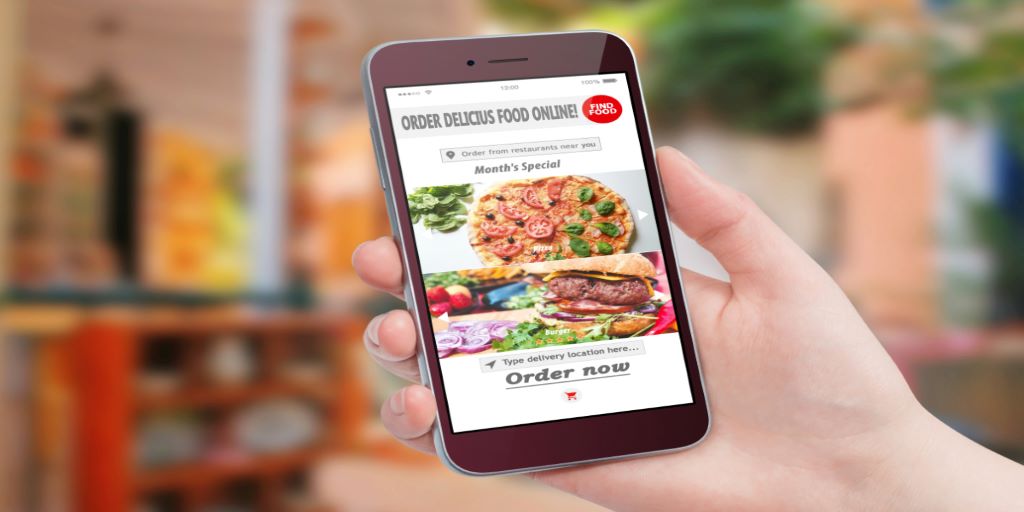
How KSA’s Weather Drives the Rise of Food Delivery
How KSA’s Weather Drives the Rise of Food Delivery
The Kingdom of Saudi Arabia (KSA) boasts a vibrant culinary scene, but its summers pose a unique challenge for both restaurants and diners. Soaring temperatures often lead to a shift in consumer behavior, with a significant rise in the use of food delivery services. Let’s explore how KSA’s weather patterns influence the food delivery industry:
The Unrelenting Sun:
Heat as a Deterrent: KSA experiences scorching summers with temperatures routinely exceeding 40°C (104°F). This extreme heat discourages people from venturing out for dine-in experiences, particularly during peak lunch and dinner hours. Air-conditioned comfort at home becomes a major draw, leading to a surge in demand for food delivery services.
Seasonal Shift in Preferences: As temperatures rise, KSA residents often gravitate towards lighter, cooler dishes. Food delivery platforms cater to this seasonal shift by featuring summer-friendly menus with refreshing salads, cold mezze selections, and chilled desserts. Restaurants can leverage this trend by offering delivery-exclusive summer menus to entice customers.
The Convenience Factor:
Time Saved, Cravings Satisfied: With the heat limiting outdoor activities, food delivery services offer a convenient solution. Customers can browse menus, place orders, and enjoy their favorite restaurant meals from the comfort of their air-conditioned homes, saving valuable time and avoiding the hassle of battling the heat.
Expanding Reach and Accessibility: Delivery platforms bridge the gap between restaurants and a wider customer base. With scorching temperatures restricting movement, restaurants can expand their reach by partnering with delivery services. This allows them to cater to customers in neighborhoods further away, potentially increasing their overall sales.
Conclusion:
KSA’s summers present a unique opportunity for the food delivery industry. Understanding how weather patterns influence customer behavior allows restaurants to adapt their strategies and leverage delivery platforms to expand their reach and boost sales. As technology continues to evolve and personalize the experience, the future of food delivery in KSA promises exciting possibilities for both restaurants and customers alike.
Optimizing Restaurant Delivery: Enhancing Efficiency and Customer Satisfaction
In today’s fast-paced world, restaurant delivery services play a crucial role in meeting customer demands. To stay competitive and maximize profits, restaurants need to optimize their delivery operations. This article explores effective strategies to enhance efficiency and customer satisfaction in restaurant delivery.
Streamline Order Management
Efficient order management is the first step towards optimizing restaurant delivery. Implementing a robust POS system integrated with online platforms enables seamless order processing. This eliminates errors, reduces manual work, and ensures real-time order tracking. Additionally, establishing clear communication channels between the kitchen staff, delivery personnel, and customer support helps streamline operations and minimize delays.
Optimize Delivery Routes
Efficient delivery routes can significantly reduce delivery time and costs. Utilize route optimization software that considers factors like traffic, distance, and delivery windows to plan the most efficient routes. Consolidating orders for nearby locations and grouping deliveries based on proximity can further enhance efficiency. By reducing travel time and mileage, restaurants can ensure faster deliveries, minimize fuel expenses, and enhance overall customer satisfaction.
Invest in Packaging and Presentation
The quality of packaging and presentation impacts the overall customer experience. Invest in sturdy, eco-friendly packaging that maintains the food’s temperature and prevents spills or leaks. Incorporate branding elements like custom labels or packaging inserts to create a memorable impression. Additionally, consider adding personal touches such as handwritten notes or complimentary items to surprise and delight customers. Attention to detail in packaging and presentation can help restaurants build a strong brand image and foster customer loyalty.
Leverage Technology
Adopting technology-driven solutions can optimize various aspects of restaurant delivery. Offer online ordering through a user-friendly website or mobile app to enable convenient ordering and payment. Integrate with third-party delivery platforms to expand the reach and tap into a wider customer base. Utilize delivery management software to track deliveries in real-time, manage driver assignments, and gather valuable data for analysis and improvement. Embracing technology empowers restaurants to streamline processes, enhance visibility, and provide a seamless delivery experience.
Prioritize Customer Communication
Effective communication with customers throughout the delivery process is crucial. Provide real-time updates on order status, estimated delivery time, and any delays or issues encountered. Enable customers to track their orders and offer multiple channels for support and feedback. Promptly address customer queries or concerns to ensure transparency and build trust. Additionally, consider implementing a rating and review system to gather feedback and continuously improve service quality. Open and proactive communication creates a positive customer experience and fosters long-term customer relationships.
Optimizing restaurant delivery requires a comprehensive approach that encompasses order management, efficient routes, quality packaging, technology integration, and customer communication. By implementing these strategies, restaurants can enhance operational efficiency, reduce costs, and deliver exceptional service, ultimately boosting customer satisfaction and loyalty in the competitive food delivery landscape.
How Delivery Helps Restaurant Chains Grow
Many restaurants finally took a step that should have been taken a few years ago. Their reluctance was overcome by the sudden need to expand their food delivery system due to the Corona pandemic. Hence, third-party delivery came on the scene.
Some of the biggest restaurant chains were skeptical about the move – even knowing it was going to happen eventually, but seeing smaller chains embracing a third-party delivery in their food delivery management system – at first, everyone was observing from afar.
Numbers Speak Louder Than Words
A real-life example, among many restaurants, is Carrols. Before Carrols launched its third-party food delivery system, the average check was $9 to $10. Now, the average check on delivery orders is $17.
Another example is Del Taco. The current sales of its third-party food delivery system represent 6.3% of the chain’s overall sales compared to 2.2% the year before.
The Trend Will Continue
Many restaurant executives – during the Investor Conference in the USA – said that a third-party food delivery system had been vital for increasing their sales during the pandemic. They added that food delivery services has become necessary and that the trend is expected to permanently continue in the future as it leads to effective sales.
The Challenges
Growing any business has its challenges. With restaurant chains, the associated fees and commissions coming with a third-party ordering and food delivery system cost restaurants 30% per order. To help overcome this problem many restaurants choose to make use of the delivery systems through their own online ordering channels such as restaurant websites and apps.
Pick-up & Takeaway Channels
For many restaurants, a third-party food delivery system remains among the lower-margin channels with pick-up and take away channels being the lowest in cost. This is why you find many restaurant chains playing both sides which in turn require a reliable online takeaway ordering system and a solid third-party food delivery system.
Building and growing your own online takeaway ordering system is more difficult to do but is profitable in the long run. As you launch an online takeaway ordering system, you allow customers the opportunity to choose between food delivery and pick-up and takeaway options, thus reducing the pressure on your food delivery system.
The New Customers
One of the benefits of the online takeaway ordering system and the third-party food delivery system is bringing people into your brand and keeping them coming back. Data shows that – before the pandemic- 90% of first-time customers who had been offered a free delivery promotion ordered again.
Some restaurant chains find free-delivery to be worth it only for high-value orders. Many of those set a minimum purchase amount. This way, the free delivery expense is partially covered.
Get your food delivery platform fromTaker Go and increase your restaurant’s sales.
10 Restaurant Business Predictions for 2021
Last year proved to be the most unpredictable in the history of restaurant business. As for 2021, one cannot really tell how events will unfold. What we can do, for the time being, is keep a close eye on restaurant technology, finance, operations, and sales and see how they’ll turn out in the next few months.
Below are some restaurant business predictions for 2021 as stated by restaurantbusinessonline.com
Curbside pickups will compete against takeout. Although the curbside pickup concept is already big, it will evolve more, and we’ll see more curbside pickup tweaks thanks to the latest developments in restaurant technology.
Industry consolidation will pick up speed and major deals involving large restaurant chains will take place; fast food restaurant chains included.
The 20% decline in 2020 compared to the year before is an indicator that the restaurant business will be better in 2021.
Entertainment while dining out will be in high demand. Customers will have been used to eating at the comfort of their home in front of the T.V. for months and months. Restaurants will have to compete with that.
Online menus will continue to play a major role in online ordering, takeout, and delivery.
Chefs and menu developers will get back with new dine-in appropriate recipes rather than the recipes that worked out well for delivery and takeout packaging.
Many small independent neighborhood restaurants struggled to run a smooth online ordering system due to restaurant technology limitations. In 2021, customers are expected to support their favorite restaurants, especially when lockdown restrictions are removed.
Surprisingly, online ordering may witness a slowdown at some point. This is because the demand to dine-out will rise. When restrictions lift, people will return to restaurants, and online ordering will decline – at least temporarily.
Google will become a key online ordering channel – at least for first-time digital customers who will likely find it the first place to go to search for a restaurant. However, with restaurant technology made simpler through many rising websites and applications, customers of all digital skills will find online ordering easier than expected.
Independent restaurants will need to rely more on restaurant technology to go back to full capacity. Dine-in traffic will not sustain them. Online ordering and solid takeout and delivery programs will continue to be key to their future success. These along with offering creative experiences like virtual cooking classes and the like.
Click hereto learn more about how Taker can increase your restaurant sales.
How To Manage Coronavirus Impacts On Your Restaurant
Coronavirus pandemic and its impacts have made us all change our perspectives on how we should look at things and the way we are spending our lives each day. In a single day, the Coronavirus for the health and safety of their people. It is a threat to the public health and health care systems in all countries. Business is also affected by this pandemic since current scientific studies show that the virus can live up to 3 days on steel surfaces, 72 hours on plastics, and 96 hours on Glass. These findings make it hard for any business to operate because we all practically use the mentioned surfaces in our dwellings. Almost all equipment used in restaurants is made of those materials, including delivery and takeaway food packaging. Add to it that there is currently no known cure for the virus and many governments have already implemented community quarantine or lockdowns and social distancing in their countries.
For more detailed information on the Coronavirus pandemic, read this post.
This time proved to be a challenging and depressing one for restaurants. In this post, we will help you navigate the following:
How you can manage the impacts of Coronavirus pandemic on your sales.
The different strategies to run your restaurant operations despite the Coronavirus.
How you can ensure productivity at your restaurant during lockdown.
The things you need to prepare after this crisis is over.
We know that you got a lot of lists to your checklist on how you can still make the best out of this pandemic to your restaurant and sustain your business growth as well as cater to your loyal customers. But you should consider the essentials and urgent first to your checklist.
Managing The Impacts of The Coronavirus Pandemic on Your Sales
Your restaurant sales sustain your operations and are your reward for your great customer service. You can already observe its decrease during the Coronavirus pandemic. This is because the dinning segment of your restaurant cannot be offered due to social distancing and lockdown policies. Even though, it’s frustrating to see your large and always full dining segment without customers. The following are the things you can do to still generate revenue to your restaurant:
Focus on your delivery and cloud kitchen segments
You need to adjust to the present condition of your restaurant operations and accept the reality of depending only on your delivery and/or cloud kitchen segments for revenues. Its time to unlock all the potentials of your delivery and cloud kitchen segments. Start by checking your retail trade area and reviewing your previous delivery orders. You can maximize both by focusing on the areas you always receive your orders from. This way, you’re leveraging on your current loyal customers and sending them a message that you care for their well-being and steady food supplies.
Check your manpower cost versus your sales
This is another important factor to consider in order to sustain sales and manage costs while running your restaurant. Look at your staff scheduling, review It, plan it, and plot it accordingly depending on your current sales. You should consider that your dining area is no longer functioning at this time so you can transfer your dinning staff, depending on their skills, to other areas of your restaurant that lack manpower. You can also install automated productivity tools and apps in place of manual labor
Install automated productivity tools and apps in place of manual labor
It’s important to take the time to search for new saving tools that will automate some of the manual labor in your system. For instance, you can install an automated payroll system to your restaurant instead of assigning your managers to do it in a payroll template. You can also search for productivity tools that will help you manage your restaurant; such as Trello, Basecamp and Asana among many others. This way, you can focus on attaining your sales goals despite the Coronavirus business impacts on your restaurant.
Capitalize on your online ordering system
This is the best time to capitalize on your online ordering system. Your food ordering technology should be enhanced to cater to your customer needs even more during the Coronavirus pandemic. Ask your provider to look into new themes that make your website more engaging for customers to shift their focus on your food offerings instead of the Coronavirus. It’s the perfect time to entice people to your restaurant and make long-term loyal customers of your own.
Focus on digital marketing for your customer reach and conversions
Since it’s lockdown and no one is allowed to go to their favorite leisure destinations like malls and resorts, everyone turns to the digital world for their enjoyment and social connection. This pandemic has transformed how we communicate and connect with people; as now the trend is to use modern technology to connect with others. It is also the right time for you to use digital platforms for both your marketing and sales initiatives. The more you’re able to engage your customers in the digital world, the better you will sustain your sales and brand. It is important to set-up your digital marketing team to engage customers and lead them to your restaurant.
For more information on using digital marketing & leveraging on food ordering for your restaurant branding and growth, read this post.
Engage your customers on social media
Everybody is active now on social media, as it’s the medium for connecting and having fun while we are all in a lockdown situation. Take advantage of this trend and connect with your customers by intensifying your social media presence. You can schedule daily posts to your social media accounts informing your customers of your new menu, or just make them relax despite this crisis. You can also ask them what foods they are craving in their homes then use this information to offer your menu or create one to suit their demand. The opportunities of social media to your restaurant are unlimited. All you need is the right way to effectively use them to your advantage.
Different Strategies To Run Your Restaurant Operations Despite The Coronavirus Pandemic
As a restaurateur accustomed to dealing with a lot of people including your staff and customers, you might find operating your restaurant very different because of the Coronavirus pandemic. There is no need to worry because we are here to guide you with different strategies that you can employ to your restaurant including the following;
Ensure safety and sanitation of your entire team and restaurant premises
To minimize Coronavirus impacts on your restaurant always maintain proper sanitation and workers’ safety. Food sanitation means protecting it from contamination. With this in mind, all functions and operations must be included in a sanitation program. All food products must be protected from contamination from receiving (and before) through distribution. Sanitation is a dynamic and ongoing function and cannot be sporadic or something that can be turned on once a day or week, etc. Therefore, another definition could be “sanitation is a way of life”.
According to the WHO (World Health Organization) sanitation includes the safe management of solid waste and animal waste. Inadequate sanitation is a major cause of infectious diseases such as cholera, typhoid, and dysentery world-wide. It also contributes to stunting and impairing cognitive functions and has impacts on well-being through school attendance, anxiety and safety with lifelong consequences, especially for women and girls. Improving sanitation in households, health facilities and schools underpins progress on a wide range of health and economic development issues including universal health coverage and combatting antimicrobial resistance.
In a nutshell, ensuring that you have got an efficient and revised sanitation program in place for your restaurant will minimize the impacts of the Coronavirus pandemic. Plus, making your employee’s safety a priority will also help sustain your operations.
Areas you need to consider for your sanitation program
It is crucial to ensure all your food production areas are well sanitized and organized so that you can maintain your customer’s confidence in your restaurant. This includes kitchen areas, especially your stove and assembly lines, as well as your storage of both wet and dry stocks.
Plus, handwashing is a must for you and your team. You should remind yourself as well as your team to wash your hands on a regular basis. Better yet, you can designate a person for the job and put a timer for handwashing in your restaurant.
Your doorknobs, POS machines, menus that customers have touched, and staff should be sanitized to avoid contamination from the Coronavirus.
Delivery areas should always be kept clean as well as away from pets which can be potential virus carriers.
Delivery boxes and food packaging should be stored in one of the areas for sanitation, a clean and dry place.
Additionally, all your delivery motorcycles should be clean and sanitized before and after each delivery; and the same goes for your delivery people. You should learn proper scrubbing like hospital personnel and make it mandatory for your delivery employees before and after each delivery.
Inspect your restaurant premises and identify areas where you can make some small improvements
Admit it or not, during normal circumstances you might fail to find small details that need repair; such as a hole in your roofs, cracks at your office, or misaligned kitchen tiles that need to be fixed in your restaurant. Take this time to take a closer look at your restaurant premises and identify the areas that need mending, then assign your staff to do the work.
Research on new menu items and services that you can offer your customers
You can engage your Chefs, Managers and Kitchen personnel to research and make a trial of a new menu to add to your restaurant. This is a good strategy for preparing when things go back to normal and for enticing your customers to support you, even during this pandemic. A good restaurateur like yourself should be able to offer a new menu despite the crisis.
Consider converting to a cloud kitchen instead of maintaining your complete segments
Since the dining and takeaway segments of your restaurant cannot be utilized, you can consider changing for the meantime to a cloud kitchen. By focusing only on delivery, this will save you a lot of costs which is very important in this present time.
To learn more about the different cloud kitchen models to consider in your conversion; read this post.
Ensuring productivity during lockdown at your restaurant despite the Coronavirus pandemic;
Although Coronavirus impacts on restaurants are unprecedented you can still be productive during the lockdown. Here are some suggestions:
Take free online learning courses on restaurants
Search for an applicable online learning course that you can learn from in order to improve your restaurant and systems. Take this opportunity to take down notes and imagine aligning yourself with the learnings you get from these courses. You can even involve your entire team on this learning experience and gain team effort. This way, you’ll have another effective way of keeping yourself busy and healthy despite the Coronavirus pandemic.
Orient and train your staff to obtain new techniques on customer service and product preparations
Involve your team and train them for techniques on customer service and product preparations. You’ll find valuable and effective ways to save costs and advance your restaurant process and systems.
Search for new, modern looks and styles for your restaurant.
You can channel your productivity to evaluating your restaurant’s interior and exterior for the better. You can start considering your lighting mix, dining seat arrangements, and delivery flow. You could also remove or add bricks and walls to your restaurant that best suit your style. Bear in mind that it’s better to design your restaurant based on an ergonomic style so that you can offer a comfortable dining experience to your customers and staff.
Calibrate the business goal segments of your restaurant despite undergoing the Coronavirus pandemic.
Check your current segments and evaluate each segment’s sales performance, then plan accordingly. You can adjust them based on your business goals; for example, you can check if revenues come from the dining segment during your normal operations and then calibrate your system in favor of your dining segment. You can also evaluate the other segments that might need improvement and check on the needed tasks to perform once you resume your restaurant operations.
Develop your logo based on your current restaurant services
One of the things that restaurants fail to look into in their branding, is their logo. Your logo speaks about you and the type of restaurant you operate. This is a good time for you to explore your logo and decide whether it still fits your restaurant or not. You can either improve its looks and colors or change it completely. There are many online providers of logo designs that you can engage for more ideas to choose from.
Add to your existing promos in order to lessen the Coronavirus impacts on your customers.
You can put more promos on your delivery and/or cloud kitchen. It’s also a way for you to keep your loyal customers and gain new ones for your restaurant.
Things you need to prepare after the pandemic is over
Remember that this pandemic and the Coronavirus impacts on your restaurant will come to pass. When the Bubonic Plaques happened in Europe it was ultimately resolved as well as the rest of the public health crises that we’ve experienced in time. You need to have trust in the human spirit, technology, and sciences that this Coronavirus pandemic will be eventually be solved and a vaccine will be developed. While you are reading this post; scientists, medical doctors, microbiologists, and those in government services are working to find solutions to the Coronavirus, in both the laboratory and in the field of policymaking. Our human ingenuity and resilience will surely survive this pandemic. As a restaurateur, you need to prepare yourself for after this crisis is over. Here are some of the following things you need to prepare:
Your restaurant checklist after this Coronavirus pandemic
You need to have your restaurant checklist that contains all the areas you need to check before opening it to your customers again for dining and takeaway orders. List all the things in your restaurant that you need to be restored, clean and replenished. Your checklist will guide you to prepare your restaurant once again to welcome your customers to your doors.
Manpower complements
In case some of your personnel were not able to report due to lockdowns, check on their whereabouts and keep them informed on the resumption of your normal operations. Give them their schedule ahead of time so that they too can prepare and be able to report for work.
Check on your stocks and suppliers
You need to double-check your stock to reload it or find an alternative. Call or email your suppliers if they are already under normal operations so that you can determine the menu you’ll be offering. The key here is to offer your house specialties because your customers surely miss having them at your restaurant.
Update the providers of your online ordering system and other restaurant technology.
You need to let your online ordering system providers, like Taker, visit you so that they can check on your system. The other providers of your restaurant technology should also check on your equipment and tools like your POS hardware and programs.
Coordinate with your restaurant organization for further updates regarding Coronavirus impacts.
Your restaurant organization is a helpful medium for you to communicate all your concerns, and will also answer your queries when you resume your normal operations. It pays to be connected with other restaurants for your safety and compliance.
Have a call to state regulatory bodies for your compliance before opening
Your government has taken a major role in controlling the Coronavirus pandemic; so it will surely take an active role in the resumption of finance and business, which includes restaurants. Check for any advisory online and give them a call for guidance on the things you need to do before the resumption of your restaurant operations. You don’t want to be a violator once your business resumes, but a good model for others to follow. One of the important things this pandemic has taught us is the importance of compliance.
Install to your system and consistently implement your sanitation program
Your restaurant’s sanitation program during the Coronavirus pandemic should be consistently implemented as your first defense against microbial infections and food contaminations. It is best to make it a regular habit and put it on your monthly budget. You have proven that your life, your team, and your customers are valuable and you should always keep this in mind. Ensure your sanitation program is in place and is consistently implemented.
Conclusion
We have given you significant information already on the things you need to know to face and lessen the Coronavirus impacts to your restaurant. Everyone’s efforts and cooperation are needed in these trying times. To answer government regulation while sustaining your operations is a challenging task for any restaurateurs like yourself. But it can be done and you can still sustain your restaurant sales and achieve your goals. What is needed from you is a little bit of creativity and thoughtful processing of the current situation? We all need to contribute to the solution rather than prolonging the Coronavirus pandemic. Given the brilliant minds we have and the survival spirit, we can win against this virus as we have proven in centuries past. We can lessen the Coronavirus impacts to your restaurant and we can successfully beat this pandemic.
We are all in this together!
If your restaurant is looking for an online ordering system
Cloud Kitchen Models You Should Know And Invest In
Restaurants are considering the opportunity of a cloud kitchen operation to bring to their service. For some, they are considering to have a cloud kitchen as the only business they will operate. Regardless of your plan and decision about your cloud kitchen, it’s very important for you to know about the different cloud kitchen models. This is to enable you to choose which models will fit your preferences and situation. In this post, we will discuss the different kitchen models that you can invest in and operate in the comfort even of your home.
The independent cloud kitchen model
This model is a single brand, a single kitchen and has no storefront. This is considered the original cloud kitchen model. A type of restaurant that has no dining area and no physical store which puts the owners to take advantage of overhead costs and operating expenses by removing the front of the house. Because of the popularity of the online ordering system, advancement in the restaurant technology field and the high consumer demand for food delivery, this cloud kitchen model became famous compared to other models.
Features of an independent cloud kitchen model
Orders come from the online ordering system of the restaurant
Back of House operations only
It specializes in a single cuisine
It caters for delivery only
This model kitchen size is 500 – 600 sq ft
It relies on online food deliveries and orders placed by customers by calling its hotline.
The Rebel foods or Faasos cloud kitchen model
This is a multi-brand cuisine with a single kitchen and has multiple outlets but still has no storefront.
This model operates based on data analysis of customer demographics, the most popular cuisines or menu and considering the current demand and supply of the locality where your cloud kitchen is located. The advantage of this model is to determine the cuisines that have high demand with lesser restaurants offering them. After identifying popular cuisines the next thing to do is to offer it to your target customers. You can improve on the tastes, presentation and menu management of the cuisine.
This cloud kitchen model another advantage is that you can strategically position your different brands as your own individual restaurants to your market. Having a single shared kitchen among these different brands keeps your operational costs lower, which is different if you’ll operate it as a full-restaurant that is multi-brand. Think of this model as specialized cuisines with different brands, owned by one company which shares the same kitchen.
Features of Rebel food or Faasos cloud kitchen model
Orders come from online food delivery apps
Single kitchen with multiple brands
Each brand have specialized cuisine
Delivery only
The Freshmenu business model
This is model is a single brand in a single kitchen with
multiple outlets and has a storefront.
This model is a mixture between a takeaway restaurant and a cloud kitchen. It looks like a cloud kitchen business model for the most part but also has a storefront. The storefront purpose is to allow customers to walk in and see how their food is prepared in the restaurant. It’s a kind of showmanship to advertise the restaurant brand. Basically, this model utilizes all the operational efficiencies of a typical cloud kitchen business model but also has a window with the customer, which is its storefront.
Features of a Freshmenu cloud kitchen model
Orders are sourced from online sources
Single kitchen in a single brand
Menu changes there’s a mix of seasonal dishes and bestsellers
Delivery and take away
This model kitchen size is 1200 – 2000 ft
The Shell business model
This is a multi-restaurant brand, operated in rented co-working kitchens and has no storefront.
This cloud kitchen model is called the shell in the food industry because it’s operated on a kitchen space with the bare minimum infrastructure – gas pipelines, drainage and ventilation systems. Established or new restaurant businesses rent this kind of kitchen space. Then it engages the service of a provider to take care of its online ordering, delivery fleet and menu intelligence in setting-up the cloud kitchen restaurant. The restaurant brings the equipment, staff, raw materials and cuisines to its operation. Simply put, the restaurant does the cooking and the service provider does the rest.
A single kitchen which hosts multiple restaurant partner brands
The restaurant takes care of the menu, kitchen equipment, and staff
Delivery and fulfillment by a service provider
The typical kitchen size is 100-500 sq ft within a larger kitchen.
The Zomato Infrastructure Services business model
This is also a multi-restaurant brand with rented kitchens and a storefront.
This cloud kitchen model derived its structure from the earlier shell model. It’s based on the insight of a rented kitchen with built-in kitchen equipment that includes detailed processes. Like the Freshmenu model, these cloud kitchens also have a storefront where customers can walk in and view the cooking of their orders. This model is a mix between a cloud kitchen and takeaway restaurant, similar to the Freshmenu model which is facilitated by Zomato’s restaurant technology.
Features of a Zomato Infrastructure Services cloud kitchen model
Orders come from Zomato
Single kitchen with multiple restaurant partner brands
The restaurant takes care of the menu only
Zomato takes care of restaurant technology and standard operating procedures
Customers have the choice of walking into its physical storefronts
Typical kitchen size is 250-500 sq ft
The Kitopi business model
This cloud kitchen model takes the cooking process and delivery fully outsourced with a third-party service provider.
This is considered a new concept among the cloud kitchen models. In this model, you can outsource everything from your call center operations to your kitchen and up to your delivery. This is a type of restaurant in which the majority of food preparation is outsourced and delivered to your kitchen only for the final touches of your Chef. Then the orders are picked up again and delivered to your customers. The advantage of this model is that you can accept the volume of orders with no worries that you will incur overhead costs and operational expenses because you’re paying a fixed fee from your service providers.
Features of a Kitopi cloud kitchen model
Orders come in via Kitopi owned call center, through your own online platforms and other service providers.
Kitopi takes care of your inventory and storage of your raw materials
Kitopi then cooks the food in its centralized kitchen
Then sends over the food to your kitchen for your final touches
Picks the food from you and delivers it to your customer
We already gave you the different cloud kitchen models you should know before you consider investing in one. All of these models have one in common and that’s the need for you to look into a reliable, affordable and quality online ordering system service provider like Taker. It’s very important to make sure your online ordering platform works well because in operating a cloud kitchen restaurant your reliance on it is heavy.
If your restaurant is looking for an online ordering system
Cloud kitchen is now beginning to be a trend in the restaurant industry due to the popularity of online ordering system. Many providers like Taker allows for many helpful features that make starting a cloud kitchen a profitable business. In this post, we will introduce you to the concept of cloud kitchen and how it can help you in your restaurant set-up. It can also make you restructure your current restaurant setting focusing on cloud kitchen operations.
Cloud Kitchen Simplified
Basically, a cloud kitchen is a restaurant set-up that only offers food delivery to its customers. Comparing it to full-service restaurants that have dining, drive-thru, function and delivery segments offered to its customers. The common set-up among cloud kitchens are the following:
Online orders come in and they’re recorded by staff then forwards them to the kitchen
This is the first interaction between customers to your cloud kitchen and is done through orders made online, via mobile calls and telephone calls. The staff should make sure that the customer’s special instructions are recorded to avoid complaints later on.
Orders are cooked immediately in the kitchen then prepared for packing
After the orders are received and confirmed, the staff will forward it to the kitchen personnel. Orders are then cooked and packed. The packing procedure is critical in the set-up of your cloud kitchen because the customer’s order should be complete with all the condiments and plastic utensils. Likewise, special instructions by customers should be followed in both the cooking and packing procedures.
Delivery of orders is done by riders to the location of the customers
The rider then delivers the order to the customers in their location presenting the packed food meals to them and then engages the customers for possible repeat orders to your cloud kitchen. The important part of this last stage is that the rider should be able to represent well your cloud kitchen and its brand to the customers.
For more information on how to create a great online food delivery experience for your customers? Kindly read this post.
How cloud kitchens are operated?
Cloud kitchens are operated relying on its online ordering system for menu orders then foods are packed and delivered to the customer location. These simple operations of your cloud kitchen become its advantage comparing it with full-service restaurants. The following are the advantages of operating a cloud kitchen:
Lower rental fees
You’re only renting a limited space for your kitchen and this provides for a lesser cost compared to renting a prime location with a large parking lot area for a full-service restaurant. You can have the option to rent a space that’s safe but has a lower rental fee near your target market.
The start-up cost of investment is minimum with opportunities for expansion
To be able to start operating your own cloud kitchen you just need a minimum investment cost to establish and market your brand. Once you’re able to engage your target market and build a loyal customer base then you can expand to other locations. This will enable you to fund your expansion plans as well as sustaining your operation at the same time.
Overhead cost savings
If you operate a full-service restaurant you’ll be hiring your dining staff to take customer’s orders and engage them. Your management team will normally be composed of 4 managers to oversee your daily operations on a shifting schedule. You need also to maintain your store interior so you’ll be buying decorations depending on occasions and seasons. With a cloud kitchen, you’ll only hire your kitchen personnel, delivery riders and a supervisor to help you in your operations. This will help you save on your overhead costs.
Flexibility on your menu management and pricing
Since you’re operating a cloud kitchen the flexibility on your menu and pricing is always possible. You can add, improve and match your menu depending on the volume of demand your customers have in your menu. You can easily put variations to your menu compared to a full-service restaurant. Likewise, you can choose to lower your price but still gains a profit from your meals.
Failure rate and cost are minimized for start-up in the business
In starting a business there’s no fail-proof method and assurance of your success along the way you may fail. With failure comes the business cost for start-up companies. This goes true to all business including your cloud kitchen. The only difference is that in our case, you can easily start over again and your cost will be at a minimum rate. Should you fail in your first try to your original target market and location you can easily relocate to new markets.
Some small cloud kitchen only needs a medium-sized truck in order for all of its equipment to be relocated. Since all equipment is for cooking and packing purposes so mobility is easy. Think of failing on your first try to a full-service restaurant the cost will be heavy and starting over again would entail another huge investment. If you want to test the market another way is a cloud kitchen operation.
What’s the future of your cloud kitchen in the restaurant industry?
It’s estimated that in the year 2023 the online food delivery market will be recording total revenue worth $137,596 million worldwide. Today is an opportunity to start building your own cloud kitchen brand and have a share of the revenue of the business. Take into consideration also of the fact that real estate is limited and its cost is rising each year. If you want to enter the food industry with a limited initial investment cloud kitchen is a viable option for you. You will have no problem with the rising cost of real estate because as you read already you will need a limited space for your operations.
We have given you already some of the basic information about having a cloud kitchen. This introductory blog allowed you to understand its operations and advantages for you, should you choose to start your own cloud kitchen operations. We are glad to be of help to you on your journey toward your new business endeavor.
If your restaurant is looking for an online ordering system
8 Factors to Consider When Choosing a New Restaurant Location
When you’re choosing the best location for your restaurant it’s not only about your restaurant ordering software but there are other factors you should consider. It’s a challenging and awesome task ahead to scout for your restaurant location. However, if you’re able to consider the things that we will give you in this post you will be able to nail it right. Here are the factors you should consider when choosing your new restaurant location.
1. Safety and security
In choosing for your new restaurant location you should ensure that the location is safe and secure for both you and your customers. This is very important because you need to make sure that your operations will be sustainable and that your customers will be able to walk to your restaurant without any safety and security issues in mind. In short, it is giving yourself and your customer’s peace of mind inside your restaurant. You should choose a location that will allow you to security in installing your restaurant ordering software and your inventory. The crime rate of your proposed location is important to consider before choosing it as a new place for your restaurant.
Crime rate as your indicator for safety and security
Look at the statistics of the crime rate in the new location that you’re looking for in your restaurant because it will give you an idea of the safety and security of the place. If it has higher incidents of crime then this is a good indication that you should not proceed with your place and look for another location instead. If it indicates a lower number of crime rates then you can consider the new location for your restaurant. Just be aware though of your needed safety and security measures in your restaurant so that you can avoid being a victim and part of the statistics.
2. Traffic Generator
Another factor to consider in your new location is if it will give you a volume of traffic. You should observe in your proposed restaurant location if it is near establishments where people go and do their business. This is your indicator that your location will be able to attract customers to your restaurant. Look at the following establishments as a sign that your proposed restaurant location is a good traffic generator:
Hospitals
Shopping malls
Government offices
Colleges and Universities
Parks and resorts
Transportation terminals and train stations
Airports and seaports
These are just the establishments that can drive traffic to your restaurant its ideal to have a location near to all of them but if you can’t find such prime location you can settle with 2 or more of any of the mentioned establishments in your proposed location.
3. Competitor check and comparative restaurant ordering software
In choosing your new location the factor of identifying who your competitors are is relevant in order for you to strategize in your opening activities as well as marketing. You should identify the competitors that are already operating in your proposed location. The following tips will help you to further identify your competitors and segment them accordingly:
Identify your competitors if they are your direct or indirect competitors.
Your direct competitors have the same menu, restaurant niche and level of service that you’re offering. Say, for example, you’re a casual dining restaurant that offers chicken as your top menu then at the corner of your proposed location you find the same style and menu in a restaurant that you have then segment the restaurant as your direct competitor.
Your indirect competitors are any restaurants that are not within your niche and level of service. At times, they are entirely different from your menu and offerings. Say, for example, you’re a casual dining restaurant that offers beef steak as your top menu and you saw in front of your proposed location another restaurant but it is offering burgers and is a fast food concept, this restaurant is considered your indirect competitor.
Your competitor’s restaurant ordering software matters
Another tip is to look into the restaurant ordering software of your competitors. You can do this by accessing their online delivery or dining for them. It will help if you can experience for yourself your competitor’s restaurant ordering software so that you can spot room for improvements and their strengths. You can also look at their provider for their system and make a comparison with yours.
4. Parking area
If your proposed restaurant location has a spacious parking area this will become your edge over your competitors in the area. Your customers will like it if they will have a parking area within your restaurant so that they will not walk anymore, struggle to find a parking area or pay for it while they are dining in your restaurant. It is also advised if you’ll include your parking area information in your restaurant ordering software for your customer use. This will give your customers a great dining experience to your restaurant.
If your proposed location has no parking area don’t worry, you can still manage to include a parking area in your restaurant layout. Talk to your engineers on how they can incorporate a parking area in your restaurant. Is it possible to have an underground parking area? Or add some extensions to the location? Just be open and communicate all your concerns to your team.
5. Restaurant ordering software
After checking your competitor’s restaurant ordering software it’s time you evaluate yours. You should check the sustainability of your online ordering system and if it’s up to date based on industry development. Talk to your service providers and software developers on areas you can improve in your restaurant ordering software
Ethical hacking as a means of testing your restaurant ordering software
One way of testing the security and sustainability of your restaurant ordering software is for you to conduct an ethical hacking activity. An ethical hacking activity is done by a certified ethical hacker which will test your restaurant ordering software by initiating cyber-attacks on it with the end of finding a weakness in order to provide solutions later on. Your ethical hacker might program a virus to attack your restaurant ordering software to test whether it can resist such attacks or not? The key here is prevention rather than curative management of your software.
6. Visibility to customers
A business that’s not visible to its customer is a dead one. This runs true also in your restaurant business; customer visibility is a factor in choosing your new restaurant location. Ensuring that you’re visible to your customers is ensuring your survival in your new location. You should choose a location that will allow you to be noted immediately by your customer. The ideal location should be at the center of establishments and not on its corners. Choose a location that has lights and is a pathway for people.
7. Enhances your brand
Another factor that you should consider is a location that will enhance your brand. If your brand is a fine dining restaurant you should choose a location that is not cluttered and has a spacious parking area. If it’s a fast-food category a location that will allow you to have a drive-thru is perfect. Avoid a location that will compromise your restaurant brand as you communicate it in your media and restaurant ordering software.
8. Affordability
The last factor that you should consider in choosing your new restaurant location is affordability. Having a premium restaurant location should not cost you that much. You must be able to consider the rental or acquisition cost over your projected income. It is the same when you considered your online ordering system. You considered the cost of developing your restaurant ordering software over the cost of having a service provider like Taker manage it for you.
We already gave you the essential factors to consider in choosing your new restaurant location. It’s a guide for you to enable your sustainability and survival in your new location. It will help you also in checking your preparation prior to your restaurant operations. Again, prevention is better than cure in choosing your new restaurant location.
If your restaurant is looking for an online ordering system
How to Create A Great Online Food Delivery Experience For Your Customers?
Nowadays, restaurants are exploring the online food delivery segment in their operations. It is found out that it adds to their sales by around 10% up to 70%. This increase in sales depends on the restaurant location and its menu offering. It becomes a challenge to each restaurant on how they can still satisfy the needs of their customers. Considering that a food delivery service has a limited personal touch compared to other segments.
For a more detailed discussion in increasing your sales, please read this post.
Restaurant owners and managers like you are worried and even stressed out thinking about different ways to give a great online food delivery experience for your customers.
Don’t worry anymore because in this post we will give you the ways to create your own great online food delivery experience for your customers in order that they will repeat doing business with you.
Great News Right? Then let’s continue!
Piper Jaffray projected that $200 billion — one quarter of all restaurant industry sales — will shift to digital ordering and delivery over the next five years.” QSR Web, 2018
Online Food Delivery Experience, What’s In The Box?
Before telling you about creating a great online food delivery experience with your customers. Let’s first take a look at what’s an online food delivery experience is for your customers. For a brief moment, we will be walking in the shoes of your customers. Let’s imagine that you’re the delivery customer of your own restaurant and answer the following questions:
What do you expect from the online food delivery system being used by the restaurant?
How many minutes do you need to wait for your orders?
How do you define food quality?
What’s your expectation on the delivery personnel giving you your orders?
Take around 5 minutes in answering those questions first before we continue.
Enjoy answering!
Afterward, you’ll compare your answers with the tips that we will provide.
Congratulations! you’re ready now to know the 4 ways of creating a great online food delivery experience for your customers. As you continue to read this post put your notes to your side.
1. Your Delivery App Matters
Yes, you read it right it is like your saying, first impression lasts in here. Your customers want a user-friendly, easy to navigate and all in delivery ordering system from your restaurant. They don’t want to keep skipping on your system for the menu they wanted to order. Who would want this kind of online delivery ordering system? Of course, No one deserves this kind of online food delivery system.
Your customer’s impression of your online food delivery ordering system is an impression of your brand not on its developer. Remember to keep this in mind and choose the best food delivery ordering system for your restaurant. Your food delivery ordering system should be simple and contain all the necessary information your customers will need such as the following:
Your Menu
Menu Description
Branch Location
Price
Special Offerings
Delivery Time
Choosing correctly your online food delivery ordering system helps in your restaurant branding.
2. Leveraging Your Customer Value Thru Fast Delivery Time
Here’s the point for this item in creating a great food delivery experience for your customers. Your customers order their food from your restaurant because they’re busy at home. This is because of social affairs, celebrations, not feeling like going out or just like chilling out at home. And they need their food to be delivered as fast as possible.
Your customers hate to wait long hours and when your delivery arrived they already lost their appetite. This is a big NO and a criminal act in the restaurant industry.
if they need to wait for some time, because of the food preparation concerns or its a peak hour in your restaurant. Make a way to inform them how many MINUTES that they should wait and not HOURS.
3. Put Quality On Your Process
Another key to creating a great online food delivery experience to your customers is checking on their food quality. It’s your way of saying thank you to your customers. It also lets them know that you’re looking after the quality of their food.
Inspect and make sure that hot foods are delivered hot as well as cold ones to your customers. Check first all the orders that they are complete and in good quality before delivery. This is critical because any deterioration of the food might lead to food poisoning. Also, make sure that the food is sealed well and all the needed condiments are also included in the packaging.
Don’t compromise quality over speed.
Don’t deliver mixed or incomplete orders.
AIMING them both is a great online food delivery experience for your customers!
4. Putting A Human Touch, Your Delivery Personnel Is Your Key
Train your delivery personnel well on the proper communication and the practices of good hygiene.
Remember that, in an online food delivery, the only human interaction between you and your customers is your delivery personnel.Your delivery personnel must smile, greet and with enthusiasm when delivering your customer’s food.He must respond gracefully to all the questions of your customers and be able to leave a positive delivery experience.
Your delivery personnel is not only there to deliver the order to your customers, but at the same time is a salesman and brand ambassador of your restaurant.
Here you go folks, we already discussed with you ways how you can create a great online food delivery experience that makes your customers happy.
If your restaurant is looking for an online ordering system
Virtual Restaurants, also known as “Ghost Restaurants”, are online-only restaurants that serve customers exclusively through delivery. In other words, it does not have dine-in or pickup options. So virtual restaurants prepare the food from a location that does not have to be apparent to people, just a kitchen. This concept has started to grow in popularity since prepared meal market is eating out a large share of the grocery market. That is probably due to the nature of the society and business conditions where people just don’t have time during the day.
Digital Expansion
Studies showed that %60 of restaurants fail within the first five years because they are capital-intensive. Therefore, selling online is the only alternative as it is a great way to increase sales. However, that is not the only reason why restaurants should sell online. It is also a great expansion strategy where you expand digitally through an ordering app and website not through brick-and-mortar branches. So virtual restaurants do not have to spend so much money each time when opening a new location to cover new areas. All they need is just replicating the existing kitchen and preparing delivery vehicles and drivers.
Benefits of Virtual Restaurants
There are many benefits of having virtual restaurants and because of that the concept is growing in popularity specially in busy cities. They don’t require a prime location which means you’ll be spending a lot less money on the rent. Since there is no walk-in customers, you don’t need fancy decorations that are of the highest capital expenditures. Also, no need to hire waitstaff which means no managers to manage them which means less operational expenses.
Moreover, Your website and app can reach a larger set of customers than your physical branch. Not only that, it has a very easy call-to-action where customers can make an order within a few clicks. Compared to the physical branch, the ease to respond to the call-to-action can be the biggest factor in your strategy to increase sales.
Using Data in Virtual Restaurants
Since virtual restaurants are tech based businesses, it means customers have to provide their identifying data. This includes name, email, number, delivery location …etc. in order to be able to process their orders. Their data is your treasure because you can use it in way that helps your business grow.
Being tech-based enables as virtual restaurants owner and manager to answer critical questions about their business such as:
How many customers downloaded your app?
How many visited your website?
How many of those signed up?
How many actually made an order?
How many repeated their order? and during which period?
How many made an order but never repeated it for 3 months?
Which area is generating orders the most?
Which item is is the most popular in respect to areas?
Those insights are essential to understand your business. Without them, you will miss out what gets ahead of your competitors. Once you have the answers, you can apply some techniques to retain customers as well as re-engage them.
By now, it is very clear why restaurants should have an online ordering system. It is actually to take the restaurant to the next level and keep up with new era of the food industry. So if you need to have your own branded ordering app and website, contact us
Amplify your restaurant growth with our data-centric, performance-driven solutions.
Sign up now
We value your privacy
We use cookies and similar technologies to keep the site working, remember your language, and — with your permission — measure how the site is used and personalize content. You can accept all, keep only essential, or manage categories below. You can change your choice at any time.