
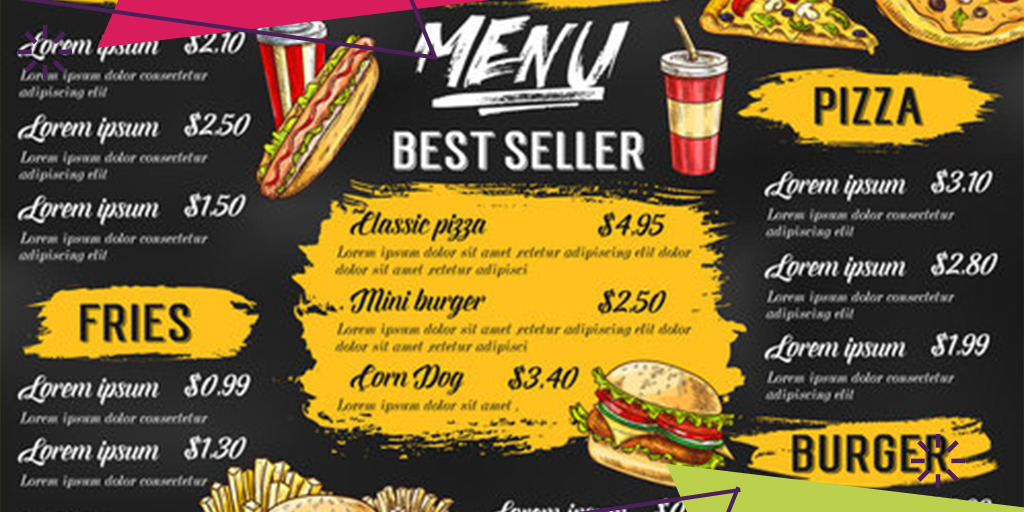
What was once considered a strength has become a liability. A crowded menu overwhelms customers, paralyzes their decision-making, and dilutes a restaurant’s identity. Today’s diners crave clarity and simplicity — and in this article from Ticker, we break down what makes a winning menu in 2026.
Why A Long Menu Is Hurting Your Customers (and Your Business)
Decision Fatigue When customers face dozens — or hundreds — of options, confusion sets in. The experience becomes less enjoyable, and diners often rush to a choice they’re not fully satisfied with.
A Blurred Identity A lengthy menu strips a restaurant of its personality. Customers struggle to understand what makes the place special. Successful restaurants lead with a focused menu that showcases their specialty or culinary philosophy.
Slower Service, More Pressure More options mean longer decision times, which slows table turnover and puts unnecessary strain on staff. A smart menu guides customers quickly toward the most popular — and most profitable — dishes.
Compromised Quality A sprawling menu makes it nearly impossible to maintain consistent quality across every dish. Restaurants that trim their offerings can focus on doing fewer things exceptionally well.
An Outdated Experience Today’s diners — especially in the age of digital menus — expect speed and clarity. Long menus simply don’t match the expectations of a generation that wants a seamless, frictionless experience.
How to Build a Menu That’s Compelling (Not Overwhelming) in 2026
A Seamless Digital Experience — Offer a QR-based or app-integrated menu with personalized suggestions based on a customer’s preferences or past visits.
A Logical Flow — Structure your menu intuitively (starters, mains, desserts, drinks) and spotlight your signature or best-selling dishes.
Evocative Menu Copy — Write short, smart dish descriptions that sell the experience and the flavor — not just a list of ingredients.
Curated Variety — Offer enough range to satisfy different tastes (vegetarian, healthy, classic) without drowning the customer in options.
Rotating Specials — Include a seasonal or daily section so every visit feels fresh and worth coming back for.
Values at a Glance — Use icons or callouts to highlight sustainable, locally sourced, or health-conscious dishes — signaling the values that matter to modern diners.
Transparent Information — Display prices, key ingredients, and allergen information clearly to build trust and speed up decisions.
A Touch of Surprise — Features like “Chef’s Dish of the Day” or a “Staff Pick” add intrigue and keep the experience feeling alive.
A Menu That Tells Your Story — Let the design reflect your restaurant’s personality — whether it’s health-focused, upscale, neighborhood casual, or globally inspired — so every dish feels like part of a larger narrative.
Visual Appeal — Use high-quality photography, a cohesive color palette, clean typography, and generous white space to make the menu easy and enjoyable to read.
How Smart Menu Design Directly Grows Revenue
Menu Engineering Analyze your sales data to categorize dishes by profitability and popularity — then give your highest-margin items prime real estate on the page: top positions, featured boxes, visual emphasis.
The Psychology of Persuasion Descriptive, sensory language does the selling for you. Words like freshly made, slow-cooked, and authentic family recipe don’t just inform — they persuade.
Strategic Pricing Techniques like charm pricing (99 instead of 100) subtly influence spending. Bundled meals and set menus also increase average check size without feeling pushy.
Consistent Reinvention Regularly refreshing your menu with seasonal dishes or a rotating chef’s special keeps the element of surprise alive — giving loyal customers a reason to return and try something new, driving both visit frequency and revenue.
Smart restaurants today understand that a short, well-crafted menu is a marketing tool in its own right. It reflects the restaurant’s character, guides guests toward its best dishes, and builds loyalty rooted in trust and clarity.
Success is no longer measured by how many options you offer — it’s measured by the quality of the experience you deliver, and your ability to tell your customer: This is who we are. This is our story.