
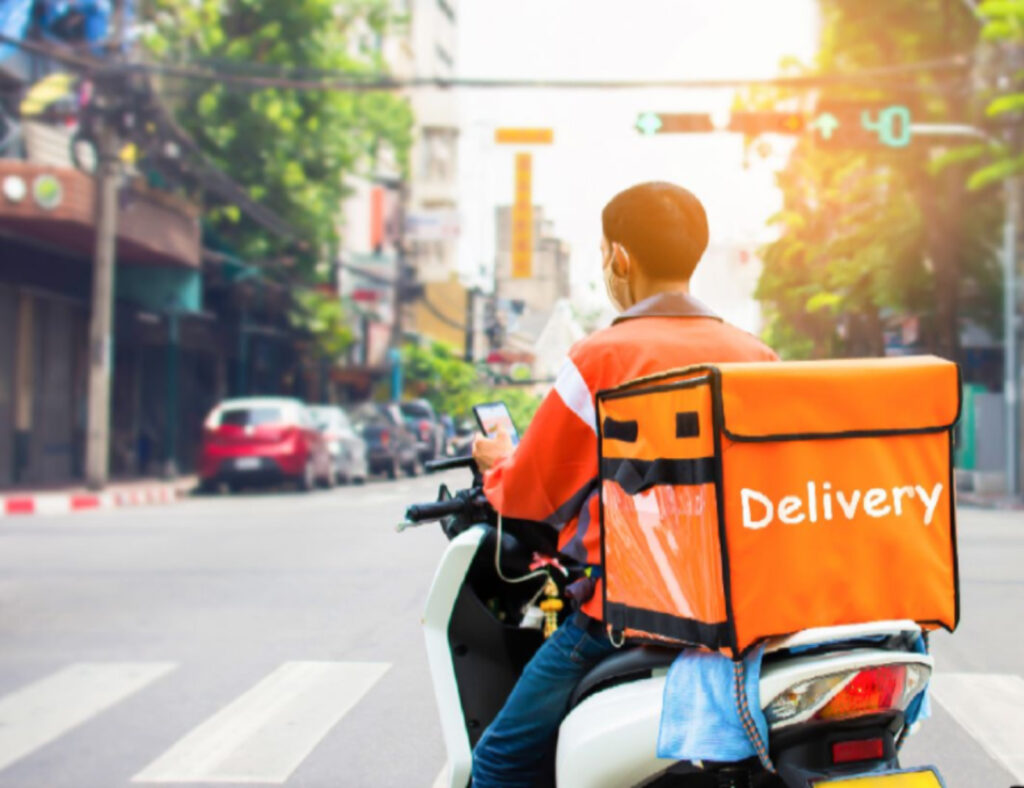
Food delivery apps have become an essential part of the restaurant industry, giving businesses access to thousands of potential customers every day and helping drive sales. However, many restaurant owners struggle with high commission fees, intense competition, and shrinking profit margins.
The truth is, the problem isn’t the delivery apps themselves—it’s how they’re managed. Restaurants that implement a clear delivery strategy can turn these platforms into powerful growth engines, while others may see order volumes increase without any meaningful improvement in profitability.
In this article, we’ll explore how to use food delivery apps strategically through smart pricing, commission management, menu optimization, and data-driven decision-making to maximize profits without compromising the customer experience.
1. Understand the True Cost of Every Order Before Setting Prices
One of the most common mistakes restaurants make is charging the same prices for dine-in and delivery orders without accounting for the additional costs involved.
Before pricing any menu item, calculate:
- Ingredient costs
- Packaging costs
- Delivery platform commissions
- Operating expenses
- Labor costs
- Taxes and fees
- Your target profit margin
Once you understand the true cost of every order, you’ll be able to develop pricing strategies that maximize profitability rather than simply increasing sales volume.
2. Use Smart Pricing Strategies
Smart pricing doesn’t mean raising prices across the board. It means creating a pricing strategy tailored to each sales channel.
For example, you can:
- Design delivery-exclusive meals with higher profit margins.
- Create combo meals that increase average order value.
- Offer high-margin add-ons such as drinks, desserts, or sauces.
- Focus on menu items that provide the best balance between popularity and profitability.
By doing so, delivery commissions become far less damaging to your bottom line.
3. Don’t Offer Your Entire Menu for Delivery
Not every dish is suitable for delivery.
Some menu items:
- Lose quality during transportation.
- Require lengthy preparation times.
- Generate more customer complaints.
- Deliver low profit margins.
Instead, create a dedicated delivery menu featuring dishes that:
- Travel well.
- Arrive in excellent condition.
- Generate healthy profit margins.
- Can be prepared quickly.
A carefully curated delivery menu improves customer satisfaction while reducing operational costs.
4. Improve Your Product Photos and Descriptions
On food delivery apps, customers can’t see, smell, or taste your food before ordering. Their purchasing decision depends almost entirely on your photos and descriptions.
Make sure to:
- Use professional, high-quality photography.
- Write clear and appetizing descriptions.
- Include portion sizes and key ingredients.
- Highlight your best-selling dishes.
Optimizing your menu listings can significantly increase conversions without spending more on advertising.
5. Increase Your Average Order Value
Since delivery platform commissions are typically calculated as a percentage of each order, increasing the average ticket size can dramatically improve profitability.
Some effective strategies include:
- Suggesting add-ons with every order.
- Creating family meal bundles.
- Offering combo meals.
- Encouraging customers to exceed a minimum order value by offering perks such as free delivery or a complimentary item.
Even a modest increase in average order value can have a significant impact on monthly profits.
6. Monitor the Performance of Every Delivery Platform
Not every delivery platform delivers the same results.
Regularly track:
- Number of orders
- Average order value
- Cancellation rate
- Customer ratings
- Total commission fees
- Profit margins
- Delivery speed
You may discover that one platform generates high sales but leaves little profit after commissions, while another produces fewer orders but delivers significantly better margins.
Making decisions based on data allows you to allocate your marketing budget and operational resources more effectively.
7. Minimize the Impact of Commission Fees
You can’t eliminate delivery platform commissions, but you can reduce their impact on your profitability.
Some of the most effective approaches include:
- Increasing average order value.
- Prioritizing high-margin menu items.
- Improving operational efficiency to reduce waste.
- Reducing order errors that result in refunds or compensation.
- Encouraging loyal customers to order directly through your restaurant’s app or website by offering exclusive rewards and loyalty benefits.
This allows delivery platforms to serve as customer acquisition channels while repeat customers migrate to more profitable direct-order channels.
8. Use Order Data to Make Better Business Decisions
Every order generates valuable data.
Regularly analyze:
- Your best-selling items
- Your lowest-performing products
- Peak ordering hours
- High-demand delivery areas
- Average order value
- Your most loyal customers
These insights help you refine your menu, optimize inventory, and create more targeted promotional campaigns.
9. Give Packaging the Same Attention as the Food
The customer experience doesn’t end when an order leaves the kitchen.
High-quality packaging helps preserve:
- Food temperature
- Product quality
- Presentation
- Ease of transportation
It also reduces customer complaints and increases the likelihood of receiving positive reviews, which can improve your restaurant’s ranking within delivery apps.
10. Use AI to Optimize Your Delivery Operations
As order volumes grow, manually monitoring every aspect of your delivery business becomes increasingly difficult.
AI-powered restaurant management systems can help you:
- Analyze the profitability of every menu item.
- Compare the performance of different delivery platforms.
- Forecast peak demand periods.
- Generate automatic reports on sales and commission costs.
- Recommend pricing or promotional adjustments.
- Alert management when profit margins decline or cancellation rates increase.
Instead of simply collecting data, AI transforms it into actionable insights that improve efficiency and increase profitability.
Common Mistakes That Hurt Restaurant Profits on Delivery Apps
Avoid these common pitfalls:
- Using the same prices without accounting for delivery commissions.
- Offering your full menu without evaluating profitability.
- Neglecting product photography and descriptions.
- Failing to review performance reports regularly.
- Running excessive discounts that erode profit margins.
- Ignoring customer reviews and recurring complaints.
- Relying entirely on third-party delivery platforms instead of building your own direct ordering channel.
Conclusion
Food delivery apps are not the enemy of restaurant profitability. When managed strategically, they can become one of your most powerful growth drivers. Success isn’t simply about increasing order volume—it’s about generating sustainable profit from every order.
Start by calculating the true cost of every menu item, implement a smart pricing strategy, create a delivery-optimized menu, focus on increasing average order value, and use customer data to make informed business decisions.
When these efforts are supported by AI-powered restaurant management systems, you’ll gain complete visibility into your delivery performance, improve profitability, and transform food delivery apps from a simple sales channel into a long-term strategic asset for your restaurant.